Front 01
Farmer advocacy.
Standing with indigenous and small-scale cultivators — building the evidentiary record that ties cultivation to culture, livelihood, and constitutional right.
Indigenous knowledgeThe movement
Three decades of constitutional litigation taught a simple lesson: a right is only real when the people it was written for can actually use it. The reform movement carries that work from the courtroom to the land.
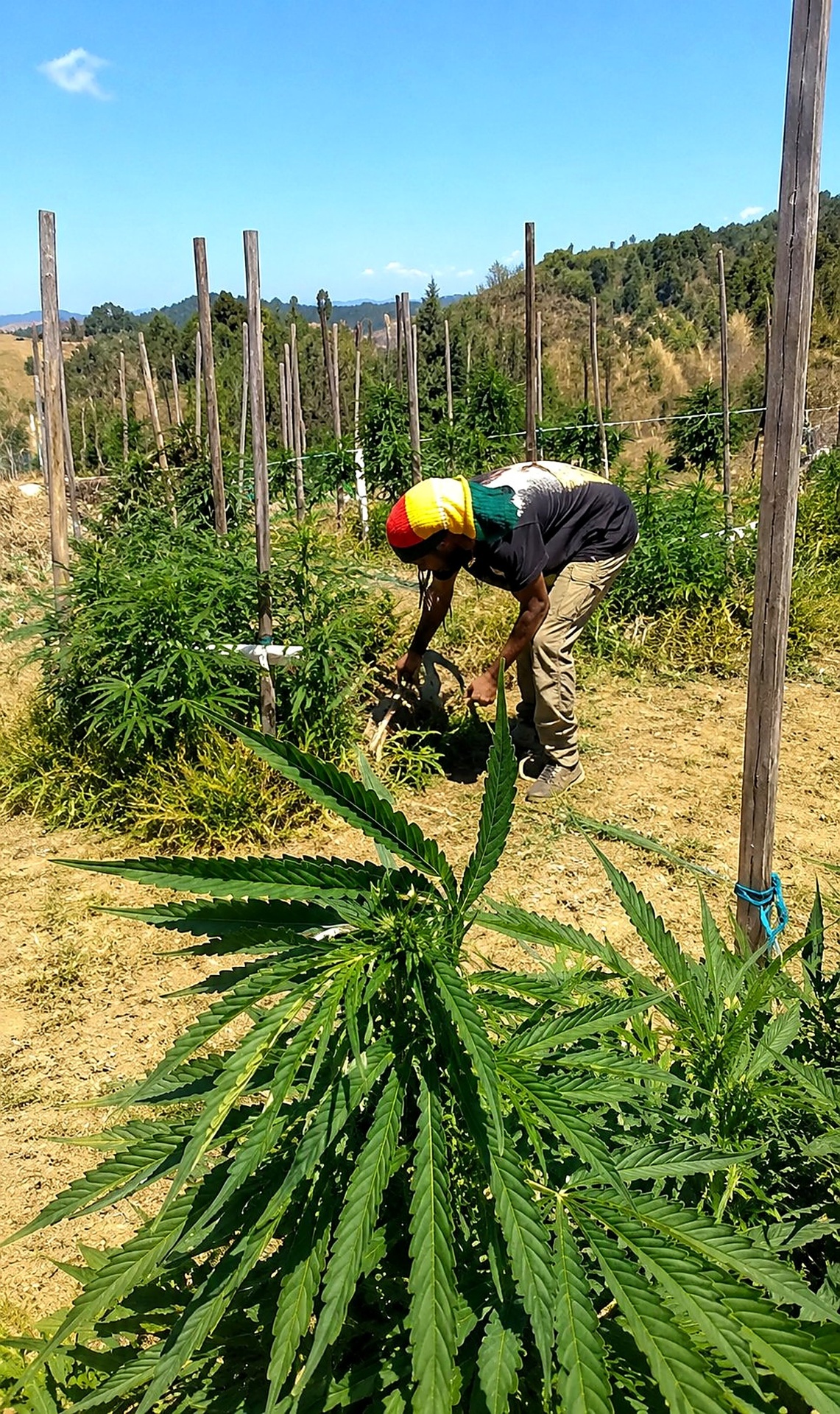
“Reform that leaves the cultivator behind is not reform. It is enclosure with a licence number.”
journey-iks.jpg
Principles
01
Every reform argument begins from Section 9, 10, 15 and 30 — equality, dignity, religion, and culture. The economy must answer to the Constitution, not the other way around.
02
Traditional cultivation, traditional healing, and indigenous knowledge systems are recognised rights — not folklore to be regulated out of the new economy.
03
Reform that excludes the people who carried the plant through prohibition is not reform — it is enclosure. Cultivators belong at the centre of the legal economy, not at its margins.
04
The work moves on three tracks at once: cases in court, submissions to Parliament, and organising in the communities the law claims to serve.
Where the work happens
The movement is not a campaign and not a brand. It is a set of active fronts — each with its own constituency, its own legal terrain, and its own measure of progress.
Front 01
Standing with indigenous and small-scale cultivators — building the evidentiary record that ties cultivation to culture, livelihood, and constitutional right.
Indigenous knowledgeFront 02
Defending the right of traditional health practitioners to practise — including the use of indigenous plants — under the Traditional Health Practitioners Act and the Constitution.
Traditional healingFront 03
An application before the Western Cape High Court for a regulated Indigenous Knowledge Systems sandbox — the next constitutional argument, now on the land.
Read the journeyFront 04
Continued written and oral submissions through the Rastafari National Council on cannabis, religion, and indigenous-rights legislation moving through Parliament.
The CouncilLead case
The next constitutional argument: that the rights to culture, traditional healing, and economic participation require a regulated Indigenous Knowledge Systems sandbox — a legal space inside which indigenous cultivators and healers can practise without criminalisation while the legislature catches up to the Constitution.
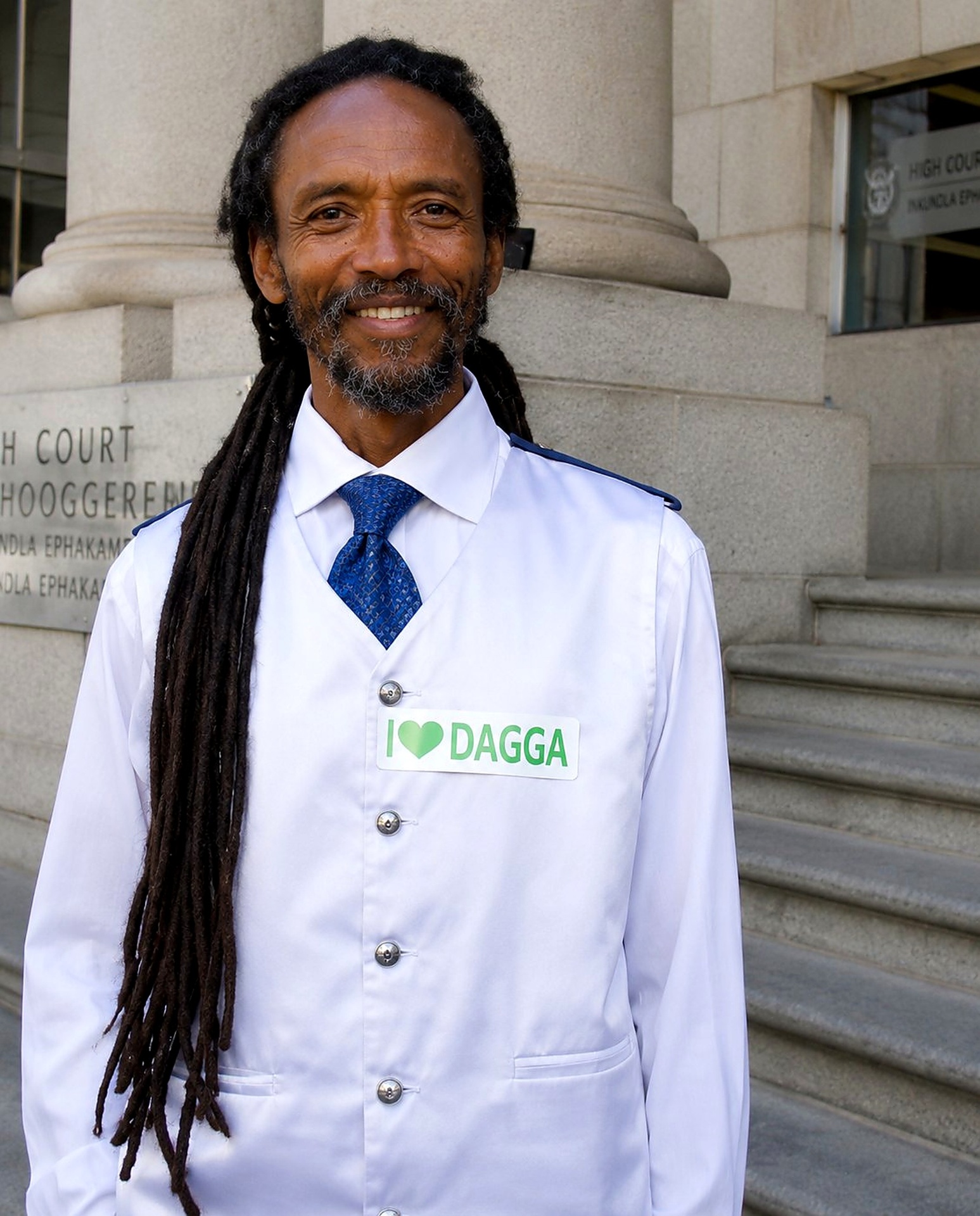 court-1.jpg