Section 30
Language and culture.
Everyone has the right to use the language and to participate in the cultural life of their choice. Indigenous cultivation and healing are cultural practice, not a regulatory loophole.
Indigenous knowledge
Long before prohibition, long before licences, the cultivation of indigenous plants belonged to the communities that carried it. The constitutional argument now is simply that the law catches up to what the land has always known.
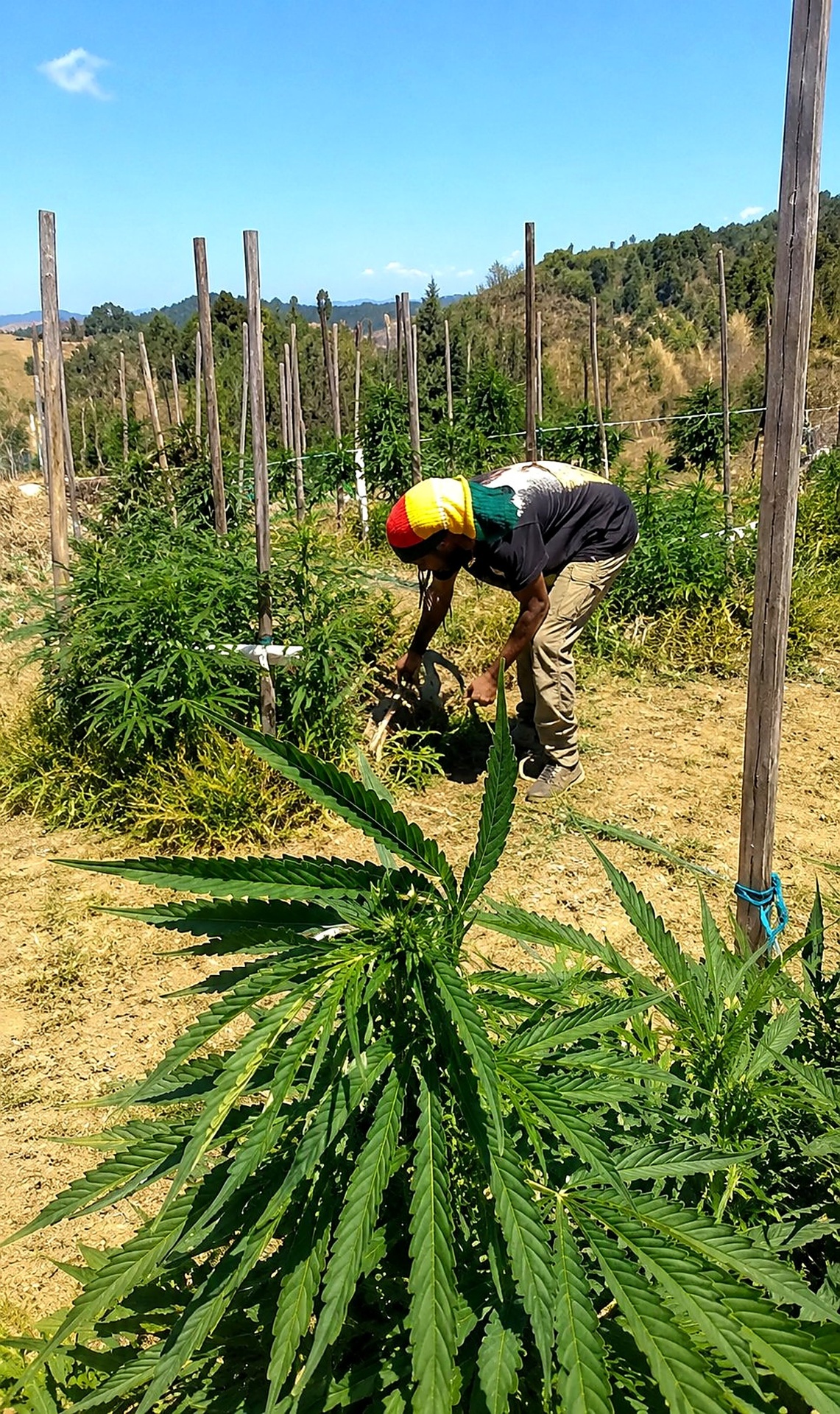
“The plant grew here before the licence. The knowledge belongs to the people who kept it.”
journey-iks.jpg
Three pillars
01
Indigenous cultivation is tied to land tenure, customary use, and centuries of practice. Any reform that ignores the land question reforms nothing.
02
Cannabis is one plant among many. Indigenous knowledge encompasses the wider materia medica of traditional healing — protected by culture, religion, and the right to health.
03
Farmers, healers, and elders are the holders of the knowledge. Their leadership — not their displacement — is the test of a legitimate framework.
Constitutional ground
Indigenous knowledge is not a policy preference. It is a constitutional claim, rooted in specific sections of the Bill of Rights.
Section 30
Everyone has the right to use the language and to participate in the cultural life of their choice. Indigenous cultivation and healing are cultural practice, not a regulatory loophole.
Section 31
Persons belonging to a cultural community may not be denied the right, with other members of that community, to enjoy their culture and practise their religion.
Section 22
The right to participate in a legal economy is not a privilege granted by licence — it is a right framed by the Constitution and limited only where strictly justified.
Section 24 / 27
Recognising indigenous knowledge inside the law is also a public-health and environmental question — one the new economy cannot answer without the knowledge-holders at the table.
Farmer advocacy
The legal cannabis economy in South Africa is being built on knowledge that indigenous and small-scale farmers carried through decades of criminalisation. Recognising them inside the new framework — as rights-holders, not applicants — is the line the IKS Sandbox case is drawn on.
journey-iks.jpg