The journey
Thirty years in court.
A chronological record of the litigation, the rulings, and the movement work — from the 1997 refusal of admission to the 2026 IKS Sandbox case before the Western Cape High Court.
- Constitutional Court cases
- 2
- High Court matters
- Multiple
- Years on record
- 30+
- Current case
- 2026 IKS
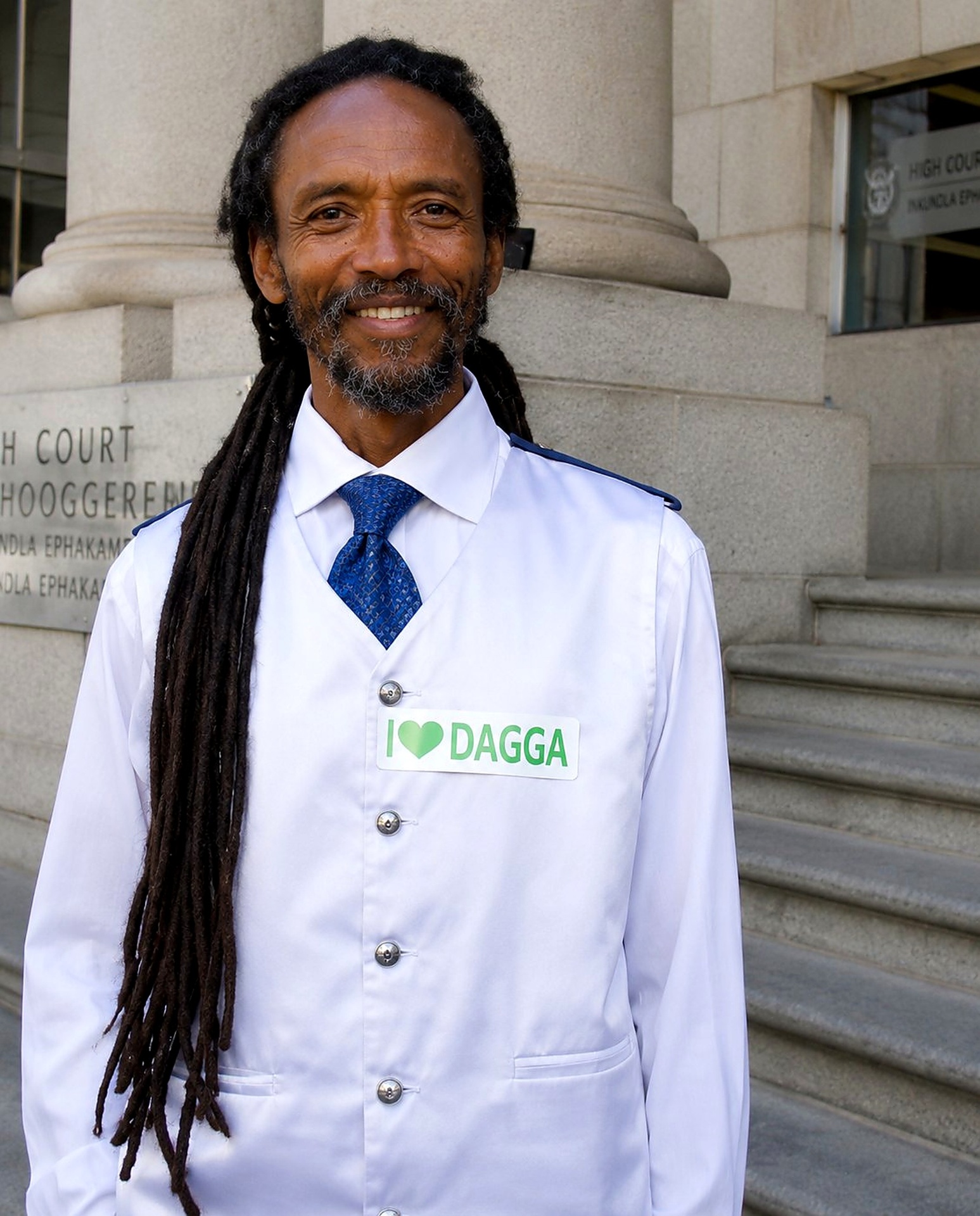
“The court is not the destination. It is the place where the country is forced to answer.”
court-1.jpg
1996 – 2002
Part 01 / 04
The first argument.
A newly democratic Constitution. A new lawyer denied his profession on grounds of faith. The opening question of a thirty-year case: does religious freedom apply to religions the state has never recognised?
- 1996Foundation
The Constitution comes into force.
South Africa's final Constitution is enacted, guaranteeing freedom of religion, belief and opinion under Section 15, and dignity under Section 10. The instrument that will frame the rest of Gareth's life enters the law.
- 1997Refusal
Cape Law Society refuses admission.
Having completed his legal studies, Gareth Prince applies to be admitted as an attorney. The Cape Law Society refuses, citing his Rastafari practice. He files for review — the case that will become Prince v President of the Cape Law Society.
Cape High Court
- 2002First Constitutional Court ruling
Prince I — a narrow loss, a wide opening.
The Constitutional Court rules against Prince by a 5-4 majority, holding that the blanket prohibition on cannabis is justifiable. But the dissents — and the reasoning of the majority — leave the constitutional door open. The argument is not closed; it is only postponed.
Constitutional Court
2003 – 2017
Part 02 / 04
The long ground game.
A decade and a half of patient work — community organising inside the Rastafari movement, submissions to Parliament, and the slow assembly of a constitutional record that the courts could no longer ignore.
- 2003 – 2016Movement work
Building the Rastafari National Council.
Outside the courtroom, Gareth helps consolidate Rastafari representation through the Rastafari National Council — engaging Parliament, the SAHRC, and provincial governments to put the community's religious practice on the public record.
- 2017High Court breakthrough
Western Cape High Court — private use protected.
In a consolidated matter alongside Garreth Prince, the Western Cape High Court holds that the criminal prohibition on the private use of cannabis by adults is unconstitutional. The ruling is referred to the Constitutional Court for confirmation.
Western Cape High Court
2018 – 2023
Part 03 / 04
Prince II and the cannabis judgment.
The case the country knows by name. A unanimous Constitutional Court rewrites the law on private use — and opens a new front on how that reform is implemented.
- 2018Prince II — Constitutional Court
Private cannabis use decriminalised.
Minister of Justice v Prince. A unanimous Constitutional Court confirms that the criminalisation of the use, possession and cultivation of cannabis by an adult in private is unconstitutional. Parliament is given 24 months to remedy the law.
Constitutional Court
- 2020Public commentary
eNCA — the meaning of the ruling.
Gareth appears in national broadcast media to explain that Prince II is not a commercial victory but a constitutional one — that the judgment protects a person, a practice, and a faith, not a market.
- 2020 – 2023The Bill
Cannabis for Private Purposes Bill — submissions and pushback.
Through the Rastafari National Council and in his own capacity, Gareth makes detailed submissions to Parliament on successive drafts of the Cannabis for Private Purposes Bill, arguing that the legislative response narrows what the Court widened.
2024 – 2026
Part 04 / 04
The reform front.
The fight moves from the question of private use to the question of who the new economy serves — indigenous farmers, traditional healers, and the communities that have practised cultivation for generations.
- 2024Farmer advocacy
Standing with cultivators on the land.
Gareth's work expands into direct advocacy with indigenous and small-scale farmers, framing cultivation as both an economic right and a practice of traditional knowledge — and laying the evidentiary record for the next phase of litigation.
- 2025Public discourse
Re-entering the national interview.
A renewed cycle of interviews and panel appearances brings the reform argument back into the national conversation — this time framed around indigenous knowledge systems, traditional healing, and the right to participate in a legal economy.
- 2026IKS Sandbox
Western Cape High Court — the IKS Sandbox case.
The next major filing: an application to recognise an Indigenous Knowledge Systems sandbox under the constitutional rights to culture, traditional healing, and economic participation. The argument returns to where it began — but with thirty years of record behind it.
Western Cape High Court
What's next
2026 — the IKS Sandbox case.
The next major filing argues that the constitutional rights to culture, traditional healing, and economic participation require a regulatory sandbox for indigenous knowledge systems — and the cultivators, healers and communities they sustain.
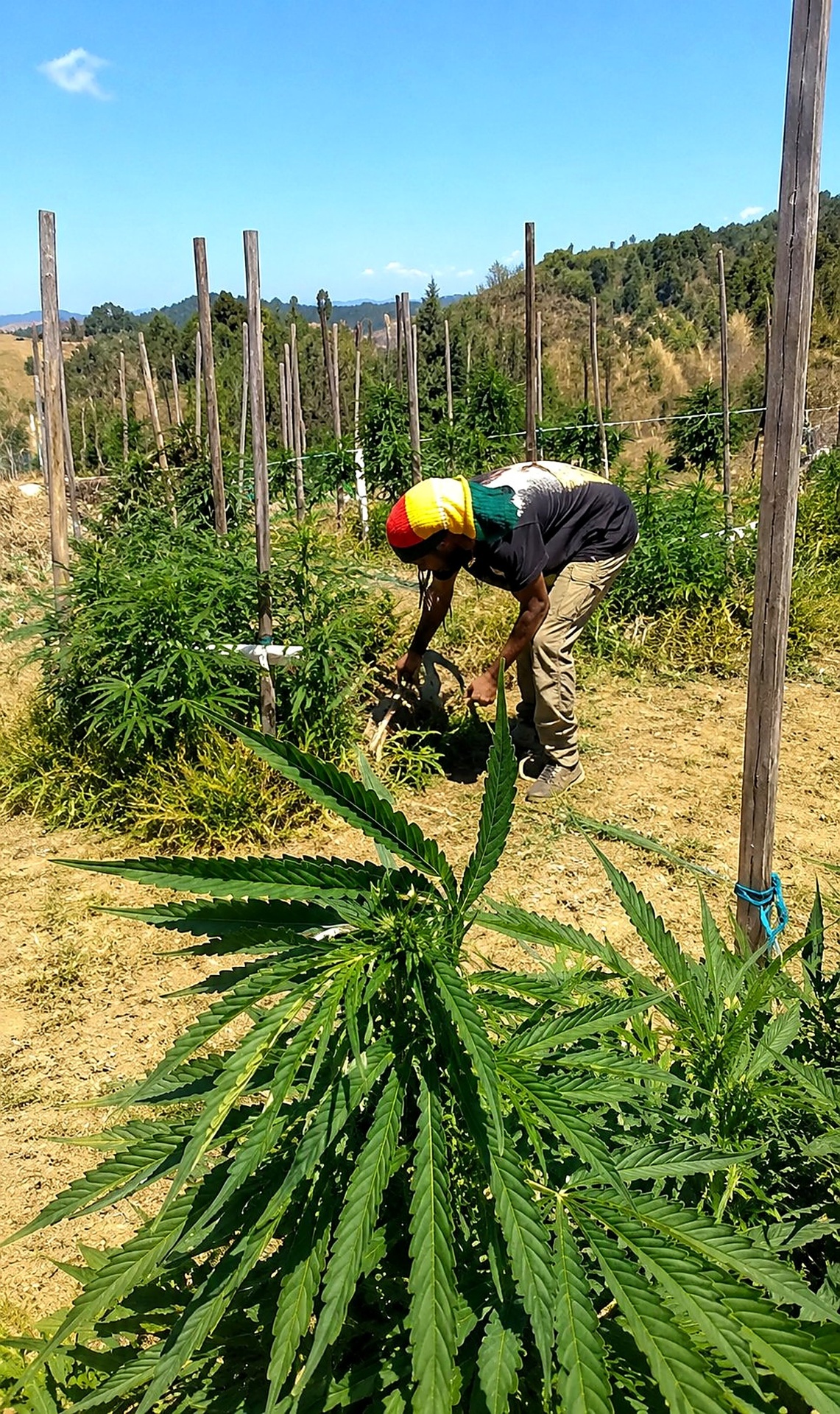 journey-iks.jpg
Continue with the documents and rulings on record.
The archive